Engine architecture
Four → Four → Triple
Yamaha middleweight nakeds were inline-fours from the FZS600 (1998) through the FZ1 (2006). The 2014 MT-09 launch went to a 3-cylinder layout — the CP3 — which has stayed central since. Triples are now Yamaha middleweight signature engine.
Power change
+22bhp
95bhp FZS600 → 117bhp MT-09. 23% more, but more importantly with much more torque (88+ Nm vs 63Nm) and better delivery from the triple layout.
Why the triple won
Character + cost
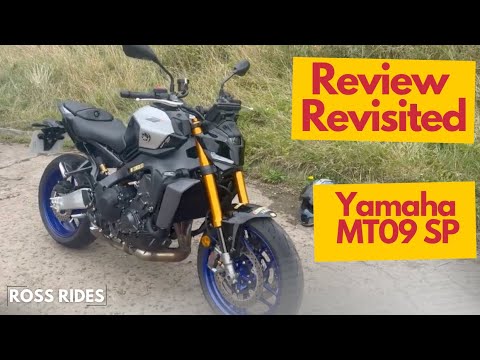
The CP3 triple makes the right noises (V-twin character at the bottom, four-cylinder rush at the top), is cheaper to build than a four, and weighs less than either a four or a V-twin. Yamaha used the same engine in the XSR900, Tracer 9, Niken — all middleweight Yamaha nakeds and tourers since 2014.
Weight loss vs FZ1
−27kg
220kg dry FZ1 → 193kg wet MT-09. Major weight loss going from a 4-cylinder R1-engined sport-tourer to a 3-cylinder modern naked.
Real cost change
−£2.6k
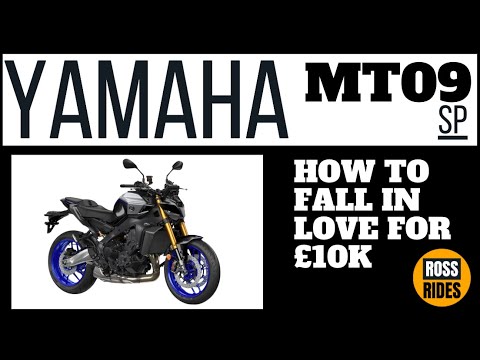
FZS600 was about £6,200 in 1998 (£12,400 today). The 2026 MT-09 is £9,810 — about 21% cheaper in real terms with full electronics added.
Rider aids count
0 → 9
1996: nothing. 2026: cornering ABS, traction control, slide control, wheelie control, ride modes, quickshifter, smartphone connectivity, lift control, brake control. The MT-09 has everything you would expect on a 2026 superbike.
Cheapest way in
£1.8k
A clean FZS600 Fazer from the late 90s. R6-derived inline four, half-fairing, hugely capable do-everything bike. Possibly the most underrated 90s naked on the UK used market.