Engine architecture
Four → Four → Six
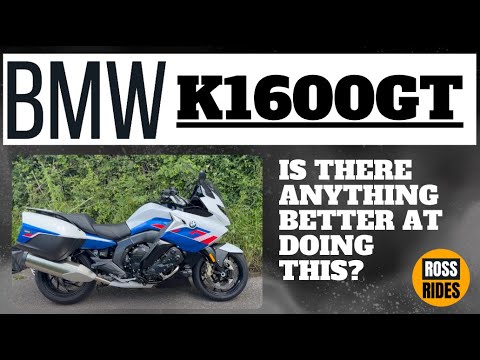
BMW big-K tourers went through three engine layouts. K1100LT (1996): longitudinal flat-four (Flying Brick). K1200LT (1999): longitudinal four (different layout). K1600 (2011): inline six. Each generation was a totally new engine philosophy.
Power gain
+60bhp
100bhp K1100LT → 160bhp K 1600 GT. 60% more horsepower in 30 years. The K1600 inline-six is famously smooth — six cylinders giving turbine-smooth power delivery. Most Gold Wing owners who switch to K1600 say it is the smoother bike.
Why a six
Smoothness + power
BMW launched the K1600 in 2011 specifically to compete with the Gold Wing flat-six. Six cylinders give inherent vibration cancellation, allowing huge power with car-like smoothness. The K1600 makes more peak power than the Gold Wing (160 vs 124bhp) while being lighter (348 vs 383kg).
Real cost change
−£1.2k
K1100LT was £11,500 in 1996 (£23,000 today). K 1600 GT base is £24,500 — about 5% cheaper in real terms. BMW has held the big-K tourer flagship price almost constant for 30 years despite the move from four-cylinder to six-cylinder.
Radar adaptive cruise
Added 2022
The K1600 gained radar adaptive cruise control in 2022 (alongside the R 1250 RT update). Front Collision Warning came at the same time. The radar changes the bike on long tours — it manages your distance to the car ahead automatically.
Weight progression
Up then down then upkg
293kg K1100LT → 378kg K1200LT → 319kg K1600 GT (2011) → 348kg K1600 GT (2026). The K1200LT was famously the heaviest BMW tourer ever; the original K1600 cut a lot of weight; the latest model has gained some back from added electronics and radar hardware.
Cheapest way in
£3k
A clean K1100LT from the late 90s. The original Flying Brick — characterful, smooth, BMW-built. Cheapest way to get a six-figure-mile German tourer on the UK used market. Cheapest way into the K-series tourer family.